


Maddie is a liver transplant recipient. At the age of 12, Maddie was diagnosed with Budd-Chiari Syndrome and Myeloproliferative Neoplasms. She underwent a TIPS procedure and lived for 5 years pre-transplant before ultimately receiving a liver transplant when she was 17. Maddie is now a senior at George Mason University, studying Molecular Biology and Biotechnology. Her experience with the medical field has inspired her to pursue a career in research and medicine.
At Project Hope, Maddie develops the educational content and resources used by mentorship pairs and partner institutions. Maddie is specifically interested in improving the educational content available to pediatric, adolescent, and young adult transplant recipients throughout their transplant journeys. Her goal is to empower patients to improve their understanding of their diagnosis, treatment, and overall transplant experience, allowing them to take a more active role in their care. She focuses on creating resources to improve patients’ ability to confidently manage their medical care, promoting more independence and improved outcomes, especially during the transition from pediatric to adult care.
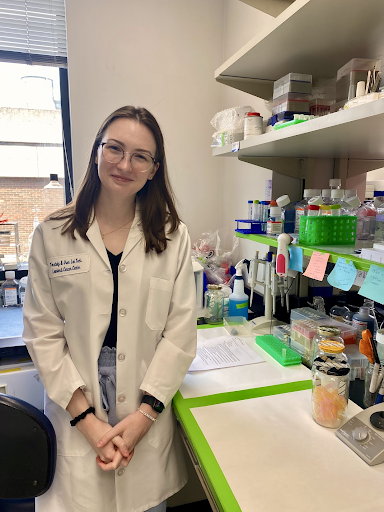
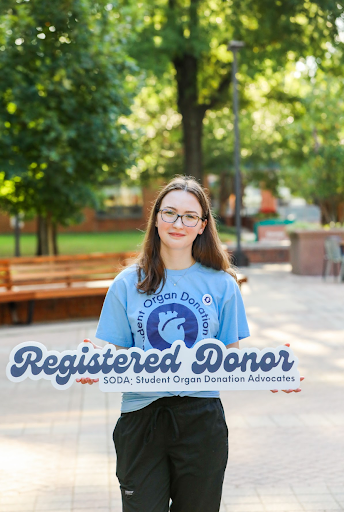
Outside of Project Hope, Maddie works on many research initiatives focused on improving outcomes in transplantation. She serves on many transplant-related committees, including Student Organ Donation Advocates (SODA), the American Society of Transplantation (AST), Transplant Advocacy Partners (TAP), and more. She also works as a research student at the Lombardi Cancer Institute at Medstar Georgetown University Hospital, working on creating more therapeutic options for Ewing Sarcoma.
Maddie is a total dog lover and avid Pittsburgh sports fan. Growing up as a competitive swimmer, she still enjoys swimming from time to time. She loves sightseeing around the DC area, going on trips with her family, and taking long naps with her dogs.
Maddie is excited to work on the Project Hope team, aiming to improve the lives of young patients undergoing transplantation by eliminating some of the struggles she faced growing up and enhancing long-term patient outcomes by providing the educational support patients need to thrive.
